Book Treatment Now
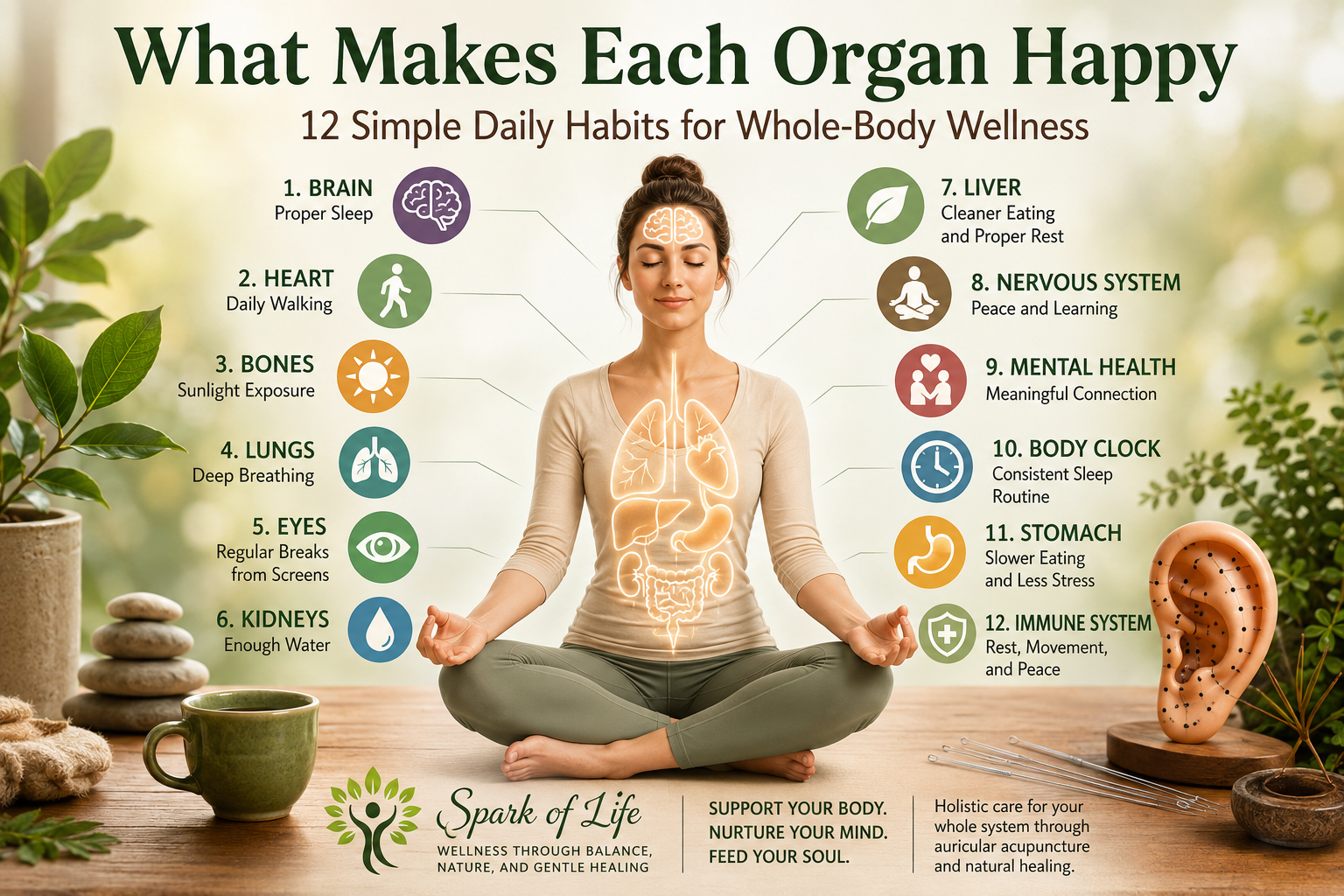
What Makes Each Organ Happy? Simple Daily Habits for Whole-Body Wellness
True Health Begins with the Small Things
Many people believe that achieving good health requires dramatic lifestyle changes, strict diets, or exhausting exercise programmes. In reality, lasting wellness is built far more quietly. It develops through the small choices you make every day—how well you sleep, what you eat, how you move, how deeply you breathe, and how effectively you manage stress.
Your body is an extraordinary system of interconnected organs that work tirelessly to keep you alive and healthy. Every heartbeat, every breath, every thought, and every movement depends upon these organs functioning together in harmony. When one system is under strain, others often compensate, which is why maintaining balance throughout the body is so important.
Traditional Chinese Medicine (TCM) has recognised this relationship for thousands of years. Rather than viewing organs as isolated structures, TCM understands them as part of an integrated network connected by the flow of Qi (vital energy), blood, body fluids, and emotional wellbeing. A healthy body is one where these systems remain balanced, allowing the body’s natural healing mechanisms to function as they were designed.
Modern medical science increasingly supports many of these principles. Research continues to demonstrate the importance of quality sleep, regular physical activity, stress management, healthy nutrition, hydration, and social connection in preventing chronic disease and promoting longevity.
At Spark of Life, we combine these timeless principles with modern understanding to help our clients achieve greater health naturally. Through auricular acupuncture, the NADA AcuDetox Protocol, Traditional Chinese Medicine, and practical lifestyle guidance, we help restore balance so the body can heal itself more effectively.
The good news is that improving your health does not have to be overwhelming. Small, consistent habits often produce the greatest long-term results.
Let’s explore what makes each organ happy, each major organ and body system, and discover simple ways you can support your health every single day.
1. Your Brain Loves Quality Sleep
Your brain is one of the busiest organs in your body. Even while you sleep, it never truly switches off. Instead, it performs some of its most important work.
During deep sleep your brain:
- Organises memories from the day
- Processes emotions
- Repairs nerve cells
- Clears metabolic waste products
- Regulates hormones
- Restores mental energy
- Strengthens learning and concentration
Without sufficient sleep, these essential processes become impaired. Poor sleep has been linked with reduced concentration, low mood, anxiety, weakened immunity, weight gain, increased inflammation, and even a greater risk of dementia later in life.
Modern life often interferes with healthy sleep. Long working hours, electronic devices, irregular routines, excessive caffeine, and ongoing stress keep many people awake long after their bodies are ready for rest.
How to Help Your Brain
Simple habits can significantly improve sleep quality:
- Maintain regular sleeping and waking times.
- Reduce screen exposure during the hour before bed.
- Keep your bedroom cool, dark, and quiet.
- Avoid large meals and caffeine late in the evening.
- Develop a calming bedtime routine.
The Traditional Chinese Medicine Perspective
In Traditional Chinese Medicine, restful sleep depends upon the harmonious relationship between the Heart, Liver, and Kidneys. When Qi becomes stagnant or the mind (known as the Shen) is unsettled, sleep disturbances often occur.
Auricular acupuncture is widely used to calm the nervous system, reduce emotional tension, and encourage deeper, more restorative sleep. Many clients report feeling noticeably more relaxed after treatment and find it easier to establish healthier sleeping patterns over time.
Good sleep is not a luxury—it is one of the most powerful investments you can make in your physical and emotional wellbeing.

2. Your Heart Loves Daily Movement
Your heart beats more than 100,000 times every day without asking for recognition. It pumps blood through approximately 100,000 kilometres of blood vessels, delivering oxygen and nutrients to every cell in your body.
Like any muscle, the heart becomes stronger when it is used regularly.
Fortunately, supporting heart health does not require intense exercise or expensive gym memberships. Consistent, moderate movement often provides greater long-term benefits than occasional strenuous workouts.
A simple daily walk can:
- Improve circulation
- Reduce blood pressure
- Lower cholesterol
- Improve insulin sensitivity
- Strengthen the heart muscle
- Increase energy
- Reduce stress hormones
- Improve mental wellbeing
Walking outdoors offers additional benefits. Exposure to fresh air, natural surroundings, and sunlight can further reduce stress while improving mood and sleep quality.
Exercise and Emotional Health
Physical activity stimulates the release of endorphins and serotonin—natural chemicals that improve mood and reduce anxiety. Even twenty to thirty minutes of walking each day can significantly improve emotional wellbeing.
The Traditional Chinese Medicine Perspective
In Traditional Chinese Medicine, healthy movement encourages the smooth flow of Qi and Blood throughout the body. When Qi stagnates, discomfort, fatigue, emotional frustration, and poor circulation may develop.
Gentle daily movement helps prevent stagnation while nourishing both the Heart and Liver systems.
Auricular acupuncture can complement regular exercise by helping reduce stress, supporting recovery, improving sleep, and promoting overall balance within the nervous system.
The goal is not perfection. The goal is simply to keep moving.
Your heart will thank you for every step.
3. Your Bones Love Morning Sunlight
Strong, healthy bones provide the foundation for an active and independent life. Although many people think of bones as rigid structures, they are living tissues that continually break down and rebuild throughout your lifetime. This process relies on adequate nutrition, regular weight-bearing exercise, hormonal balance, and one often-overlooked factor—sunlight.
When your skin is exposed to sunlight, your body naturally produces vitamin D. This essential nutrient enables the absorption of calcium and phosphorus, two minerals that are critical for maintaining bone density and strength. Without enough vitamin D, bones can become weak and brittle, increasing the risk of fractures and osteoporosis.
Vitamin D also contributes to:
- Healthy muscle function
- Immune system regulation
- Reduced inflammation
- Better mood
- Improved cognitive function
Morning sunlight is particularly beneficial because it helps regulate your circadian rhythm, the body’s natural internal clock. Exposure to natural light shortly after waking signals your brain to reduce melatonin production and increase alertness. This not only boosts daytime energy but also promotes better sleep later that evening.
Supporting Your Bones Every Day
Healthy bones require more than calcium supplements alone. Consider these daily habits:
- Spend 10 to 20 minutes outdoors in the morning whenever practical.
- Include calcium-rich foods such as leafy green vegetables, seeds, nuts, and dairy products if appropriate.
- Perform regular weight-bearing exercise such as walking, dancing, or light resistance training.
- Avoid smoking and excessive alcohol consumption.
- Maintain a healthy body weight.
The Traditional Chinese Medicine Perspective
In Traditional Chinese Medicine, the Kidneys govern the bones and store what is known as Jing, or Essence. Jing represents the body’s deepest reserves of vitality and plays a vital role in growth, development, ageing, reproduction, and skeletal health.
When Kidney energy becomes depleted, people may experience lower back discomfort, weak knees, reduced stamina, hearing problems, premature ageing, or diminished bone strength.
Auricular acupuncture is often used alongside Traditional Chinese Medicine to help support Kidney function, encourage balance within the body’s energy systems, and promote overall vitality. Combined with healthy lifestyle choices, it offers a natural way to support long-term wellbeing.
Healthy bones are built gradually through consistent care, and every sunrise provides another opportunity to strengthen them.
4. Your Lungs Love Deep Breathing
Breathing is something most of us rarely think about—until it becomes difficult. Yet every breath supplies oxygen to trillions of cells, removes carbon dioxide, regulates the nervous system, and influences both physical and emotional health.
Unfortunately, many people breathe too quickly or too shallowly, particularly when under stress. Chest breathing, poor posture, prolonged sitting, and chronic anxiety all reduce the efficiency of the lungs and limit oxygen exchange.
Deep diaphragmatic breathing, by contrast, activates the body’s relaxation response.
The benefits include:
- Increased oxygen delivery throughout the body
- Improved lung capacity
- Reduced blood pressure
- Lower stress hormone levels
- Better concentration
- Reduced anxiety
- Improved sleep quality
Just a few minutes of slow, mindful breathing each day can have a noticeable effect on both body and mind.
A Simple Breathing Exercise
Try this exercise once or twice each day:
- Sit comfortably with relaxed shoulders.
- Place one hand on your abdomen.
- Breathe slowly through your nose for four seconds.
- Allow your abdomen—not your chest—to expand.
- Pause briefly.
- Exhale gently through your mouth for six seconds.
- Repeat for five to ten minutes.
Many people notice an immediate sense of calm after only a few minutes.
The Traditional Chinese Medicine Perspective
In Traditional Chinese Medicine, the Lungs govern Qi and are considered the “Master of Breath.” They also play an important role in the body’s defensive energy, helping protect against illness.
The Lungs are closely associated with the emotions of grief and sadness. Prolonged emotional stress can weaken Lung Qi, while healthy breathing, gentle exercise, and emotional release help restore balance.
Auricular acupuncture is frequently used to reduce stress, calm the nervous system, and encourage deeper relaxation. Many clients describe feeling lighter, calmer, and more emotionally centred following treatment.
Every deep breath reminds your body that it is safe, nourished, and alive.
5. Your Eyes Love Regular Breaks
Our eyes were designed to scan wide landscapes, observe changing distances, and experience the natural world. Modern life asks them to do something very different.
Many of us spend hours each day focusing on phones, tablets, laptops, and televisions. This constant close work places considerable strain on the muscles of the eyes, often leading to what is now known as digital eye strain or computer vision syndrome.
Common symptoms include:
- Dry or irritated eyes
- Blurred vision
- Headaches
- Neck and shoulder tension
- Difficulty focusing
- Eye fatigue
Although screens are now part of everyday life, simple habits can significantly reduce their impact.
The 20-20-20 Rule
Eye specialists recommend following the 20-20-20 rule.
Every 20 minutes:
- Look at something approximately 20 feet (6 metres) away.
- Continue looking for at least 20 seconds.
This simple practice relaxes the eye muscles and reduces fatigue.
Other helpful habits include:
- Blink more frequently when using screens.
- Adjust screen brightness to comfortable levels.
- Position monitors slightly below eye level.
- Spend time outdoors each day.
- Ensure adequate lighting while reading or working.
The Traditional Chinese Medicine Perspective
Traditional Chinese Medicine teaches that the Liver opens into the eyes. Healthy Liver Blood nourishes vision, while imbalances may contribute to dry eyes, blurred vision, headaches, or eye fatigue.
Supporting Liver health through nutritious foods, good sleep, stress reduction, and regular acupuncture treatments may therefore benefit both vision and overall wellbeing.
Taking a brief break from your screen every hour is a small investment that your eyes will appreciate for years to come.
6. Your Kidneys Love Proper Hydration
Water is one of the simplest yet most powerful tools for maintaining health.
The average adult body is made up of around 60 per cent water, and virtually every organ depends upon adequate hydration to function efficiently.
Your kidneys work around the clock to:
- Filter waste products from the blood
- Maintain electrolyte balance
- Regulate blood pressure
- Support healthy red blood cell production
- Help regulate fluid levels throughout the body
When you become dehydrated, even mildly, these processes become less efficient. Fatigue, headaches, poor concentration, constipation, and reduced physical performance are often early signs that your body needs more fluids.
Healthy Hydration Habits
Hydration needs vary depending on age, climate, activity levels, and overall health, but these simple guidelines can help:
- Drink water consistently throughout the day rather than waiting until you feel very thirsty.
- Increase fluid intake during hot weather and exercise.
- Eat water-rich foods such as cucumber, oranges, watermelon, tomatoes, and leafy vegetables.
- Limit excessive sugary drinks and alcohol, which may contribute to dehydration.
One practical indicator of good hydration is pale straw-coloured urine, although certain medications and foods can affect its appearance.
The Traditional Chinese Medicine Perspective
The Kidneys occupy a central role in Traditional Chinese Medicine. They store Jing (Essence), govern growth and ageing, regulate water metabolism, and provide the foundational energy that supports every other organ system.
Because Kidney energy is considered precious, TCM encourages protecting it through adequate rest, nutritious food, stress management, moderate exercise, and avoiding chronic overwork.
Auricular acupuncture may be used as part of a holistic treatment plan to help restore balance, reduce stress, and support the body’s natural healing processes.
Clean water, healthy habits, and regular self-care provide your kidneys with the support they need to quietly perform one of the body’s most remarkable jobs.
7. Your Liver Loves Clean Nutrition and Proper Rest
Few organs work as tirelessly as your liver. Every day it performs hundreds of essential functions that keep your body healthy, often without you giving it a second thought.
The liver helps to:
- Process nutrients from the food you eat
- Produce bile for healthy digestion
- Store vitamins and minerals
- Regulate blood sugar levels
- Metabolise medications
- Neutralise toxins
- Support hormone balance
- Manufacture important proteins for blood clotting and immunity
Because the liver works continuously, it benefits enormously from healthy daily habits rather than occasional “detoxes.” While many commercial detox programmes promise miraculous results, your liver is already an exceptionally efficient detoxification organ. What it needs most is the right environment in which to do its job.
Everyday Ways to Support Your Liver
Healthy liver function begins with simple lifestyle choices.
- Eat a varied diet rich in vegetables, fruit, legumes, whole grains, nuts, and seeds.
- Choose lean sources of protein where appropriate.
- Reduce highly processed foods and excessive refined sugar.
- Limit alcohol consumption.
- Maintain a healthy weight.
- Exercise regularly.
- Sleep well each night.
Quality sleep is particularly important because many restorative processes occur while the body is at rest. Chronic sleep deprivation increases inflammation, disrupts metabolism, and places additional demands on the liver.
The Liver and Emotional Wellbeing
Traditional Chinese Medicine views the Liver very differently from Western medicine alone. While it performs physical functions, it also ensures the smooth flow of Qi throughout the body.
When Liver Qi flows freely, people often feel:
- Calm
- Motivated
- Flexible
- Patient
- Emotionally balanced
When Liver Qi becomes stagnant, symptoms may include:
- Irritability
- Mood swings
- Frustration
- Headaches
- Muscle tension
- Digestive discomfort
- Premenstrual symptoms
- Poor sleep
Stress is one of the most common contributors to Liver Qi stagnation in modern life.
Auricular acupuncture is frequently used to encourage relaxation, reduce emotional tension, and help restore the smooth flow of Qi. Many clients report improved emotional resilience, better digestion, and greater overall wellbeing after regular treatments.
Looking after your liver is not about perfection. It is about consistently making choices that allow this remarkable organ to do what it does best.
8. Your Nervous System Loves Peace
The nervous system is the body’s communication network. Every sensation, movement, heartbeat, thought, emotion, and organ function depends upon it.
One of its primary responsibilities is deciding whether your body is safe.
When faced with danger, the sympathetic nervous system activates the familiar “fight or flight” response. Your heart rate increases, muscles tense, breathing becomes rapid, and stress hormones prepare you for action.
This response is lifesaving during genuine emergencies.
The challenge is that modern life often keeps us in this heightened state for far longer than nature intended.
Work pressures, financial concerns, constant digital notifications, poor sleep, relationship difficulties, and information overload all contribute to chronic stress. Over time, the nervous system can become stuck in survival mode.
This may contribute to:
- Anxiety
- Poor concentration
- Fatigue
- Muscle tension
- Digestive problems
- High blood pressure
- Poor sleep
- Emotional exhaustion
- Reduced immune function
Creating a More Peaceful Nervous System
Fortunately, the nervous system is remarkably adaptable.
Small daily practices can gradually restore balance.
Helpful habits include:
- Spending time outdoors.
- Limiting unnecessary screen time.
- Practising mindfulness or meditation.
- Reading or learning something new.
- Gentle stretching or yoga.
- Listening to calming music.
- Maintaining healthy boundaries.
- Allowing time for rest without guilt.
Learning new skills also benefits the brain and nervous system by creating new neural pathways. Whether learning a language, gardening, painting, or playing an instrument, lifelong learning helps maintain cognitive flexibility while reducing stress.
The Role of Auricular Acupuncture
One of the reasons auricular acupuncture has become increasingly popular is its profound effect on the autonomic nervous system.
The internationally recognised NADA AcuDetox Protocol, for example, has been used worldwide for decades to support people experiencing stress, anxiety, emotional trauma, addiction recovery, and mental health challenges.
The gentle stimulation of specific points on the ear may help regulate the body’s stress response, encouraging the parasympathetic nervous system—the “rest and restore” system—to become more active.
Many clients describe feeling deeply relaxed during treatment, with benefits that often continue long afterwards.
At Spark of Life, many people seek auricular acupuncture simply because they want to feel calmer, sleep better, think more clearly, and regain a sense of balance in their busy lives.
Peace is not a luxury. It is a biological necessity.
9. Your Mental Health Loves Meaningful Connection
Human beings are inherently social creatures. While moments of solitude can be restorative, long-term isolation can negatively affect both mental and physical health.
Research consistently shows that strong social relationships contribute to:
- Lower stress levels
- Better emotional resilience
- Improved immune function
- Reduced risk of depression
- Better heart health
- Increased longevity
Feeling connected gives people a sense of purpose, belonging, and emotional security.
Connection does not necessarily mean having a large circle of friends. Often, a few trusted relationships provide the greatest benefit.
Meaningful connection may include:
- Spending time with family.
- Meeting a close friend for coffee.
- Joining a community group.
- Volunteering.
- Participating in a hobby.
- Attending a support group.
- Talking honestly about your feelings.
Even brief positive interactions can improve mood and reduce feelings of loneliness.
Emotional Health and the Body
Traditional Chinese Medicine has always recognised the close relationship between emotions and physical health.
Each organ system is associated with particular emotional qualities. For example:
- The Heart is associated with joy.
- The Liver with anger and frustration.
- The Lungs with grief.
- The Kidneys with fear.
- The Spleen with excessive worry.
This does not mean emotions are harmful. Every emotion serves an important purpose. Problems arise when emotions become prolonged, suppressed, or overwhelming, disturbing the body’s natural balance.
Holistic treatments such as auricular acupuncture seek to support both physical and emotional wellbeing simultaneously.
Many people notice improvements not only in their symptoms but also in their overall sense of calm, resilience, and emotional clarity.
Caring for Your Mental Wellbeing
Supporting your mental health is not a sign of weakness—it is an investment in every aspect of your life.
Simple daily habits can make a significant difference:
- Prioritise quality sleep.
- Stay physically active.
- Eat nourishing foods.
- Spend time in nature.
- Practise gratitude.
- Limit unnecessary stress.
- Reach out for support when needed.
At Spark of Life, we understand that emotional wellbeing and physical health are inseparable. Our holistic approach recognises that when the mind becomes calmer, the body is often better able to heal.
Sometimes the greatest act of self-care is allowing yourself to slow down, connect with others, and accept support when you need it.
10. Your Body Clock Loves Consistency
Have you ever noticed that you naturally feel sleepy at certain times of the evening or tend to wake up just before your alarm sounds? This is your circadian rhythm—your body’s internal clock—working exactly as it should.
The circadian rhythm is a sophisticated timing system that regulates almost every major function in the body, including:
- Sleep and wake cycles
- Hormone production
- Body temperature
- Digestion
- Energy levels
- Mental alertness
- Immune function
- Metabolism
When your body clock is in sync, these systems work together efficiently. However, irregular sleep patterns, shift work, frequent late nights, excessive exposure to artificial light, and inconsistent meal times can disrupt this natural rhythm.
Over time, circadian disruption may contribute to:
- Poor sleep quality
- Daytime fatigue
- Mood changes
- Reduced concentration
- Weight gain
- Digestive disturbances
- Weakened immunity
- Increased stress
Supporting Your Internal Clock
Fortunately, restoring a healthy circadian rhythm often begins with simple habits.
Try to:
- Go to bed and wake up at similar times each day, including weekends.
- Expose yourself to natural morning sunlight.
- Reduce bright screen exposure before bedtime.
- Avoid heavy meals late at night.
- Develop a relaxing evening routine.
- Limit caffeine later in the day.
Consistency matters far more than occasional perfection. Small improvements maintained over time often produce remarkable results.
The Traditional Chinese Medicine Perspective
Traditional Chinese Medicine recognises that each organ system has periods during the day when its energy is naturally strongest. This concept, often called the Chinese Organ Clock, reflects the cyclical movement of Qi through the body’s meridians.
While modern science and Traditional Chinese Medicine describe these rhythms differently, both acknowledge the importance of respecting the body’s natural cycles.
When daily routines align with these rhythms, many people experience improved sleep, better digestion, increased energy, and greater emotional balance.
Auricular acupuncture can further support healthy sleep patterns by calming the nervous system and helping the body return to its natural rhythm.
11. Your Stomach Loves Slower Eating and Less Stress
Eating is far more than simply filling your stomach. Digestion is a carefully coordinated process involving the brain, nervous system, stomach, intestines, liver, pancreas, and countless hormones and enzymes.
When you eat while rushing, working, driving, or feeling anxious, your digestive system cannot perform at its best.
Many people experience:
- Indigestion
- Bloating
- Heartburn
- Gas
- Poor nutrient absorption
- Irregular bowel habits
These symptoms are often made worse by stress.
Why Stress Affects Digestion
When the body enters the fight-or-flight response, it naturally redirects blood flow away from the digestive organs towards the muscles and brain.
This is useful during emergencies but not during meals.
Eating in a calm, relaxed state activates the parasympathetic nervous system—often called the “rest and digest” response—which allows digestion to occur more efficiently.
Healthy Eating Habits
Supporting your digestive system does not require a complicated diet.
Simple practices include:
- Eat slowly.
- Chew each mouthful thoroughly.
- Avoid eating while distracted by phones or television.
- Sit comfortably during meals.
- Stop eating when comfortably satisfied rather than overly full.
- Choose mostly whole, minimally processed foods.
- Drink enough water throughout the day.
These habits allow your digestive organs to work with far less effort.
The Traditional Chinese Medicine Perspective
Traditional Chinese Medicine considers the Stomach and Spleen to be the centre of digestion and energy production.
Food is transformed into Qi and Blood, providing nourishment for every organ in the body.
When digestion is weakened, symptoms may include:
- Fatigue
- Poor concentration
- Bloating
- Loose stools
- Reduced appetite
- A feeling of heaviness
Emotional stress, irregular eating habits, excessive cold foods, and overeating may all impair digestive function.
Auricular acupuncture is commonly used alongside healthy lifestyle habits to promote relaxation, reduce stress-related digestive symptoms, and encourage the body’s natural healing mechanisms.
Healthy digestion begins long before food reaches your stomach. It begins with slowing down.
12. Your Immune System Loves Rest, Movement, and Peace
Your immune system works continuously to protect you from bacteria, viruses, fungi, and other potentially harmful invaders. It also plays an essential role in tissue repair, healing, and maintaining overall health.
Unlike many people imagine, a healthy immune system is not simply about “boosting” immunity. Instead, it is about maintaining balance.
An overactive immune response may contribute to allergies and autoimmune conditions, while an underactive immune system can leave you more susceptible to infections.
Maintaining balance is therefore the goal.
Daily Habits That Support Immunity
Many of the same healthy habits that support every other organ also strengthen your immune system.
These include:
- Getting sufficient sleep.
- Eating a varied, nutrient-rich diet.
- Drinking adequate water.
- Exercising regularly.
- Managing stress.
- Spending time outdoors.
- Maintaining healthy body weight.
- Avoiding smoking.
- Limiting excessive alcohol consumption.
- Building strong social relationships.
No single food, vitamin, or supplement can replace these fundamental lifestyle practices.
The Link Between Stress and Immunity
Chronic stress is one of the greatest challenges facing the immune system.
Persistent elevation of stress hormones may reduce the body’s ability to respond effectively to infection while increasing inflammation throughout the body.
This is one reason why many people become ill following periods of prolonged stress or emotional exhaustion.
By supporting emotional wellbeing, healthy sleep, and nervous system regulation, you also support immune resilience.
The Traditional Chinese Medicine Perspective
Traditional Chinese Medicine describes the body’s protective energy as Wei Qi.
Wei Qi acts as the body’s first line of defence against external pathogens while helping maintain internal balance.
Healthy Wei Qi depends upon the harmonious functioning of several organ systems, particularly the Lungs, Spleen, and Kidneys.
Rather than treating individual symptoms in isolation, Traditional Chinese Medicine seeks to strengthen the body’s own ability to maintain health.
Auricular acupuncture complements this philosophy by encouraging relaxation, improving stress resilience, and supporting the body’s natural regulatory processes.
When your body feels rested, nourished, hydrated, emotionally supported, and balanced, your immune system is better equipped to perform the remarkable work it was designed to do.
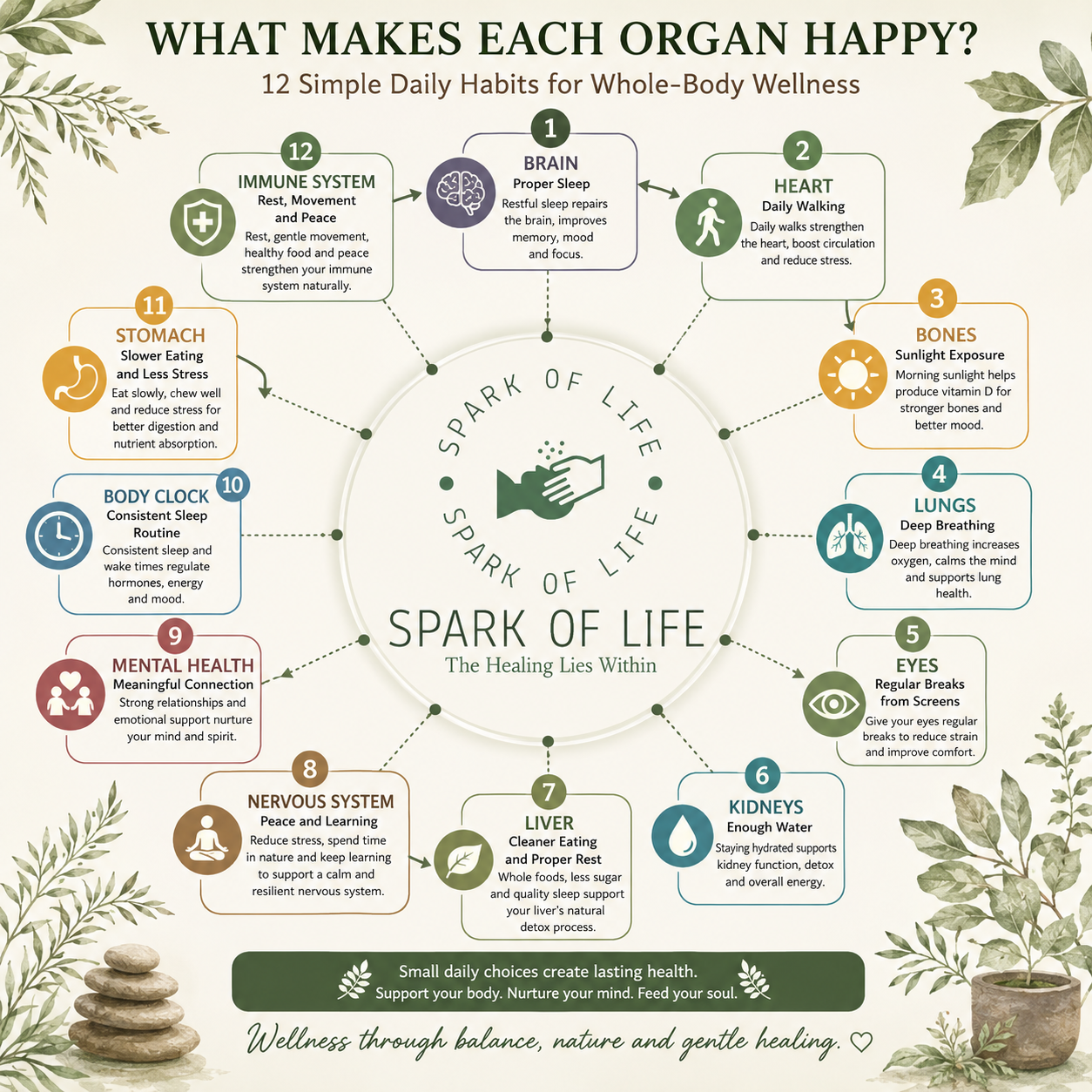
The Wisdom of Traditional Chinese Medicine: Treating the Whole Person
One of the greatest strengths of Traditional Chinese Medicine is its holistic understanding of health. Instead of focusing solely on a single symptom or organ, TCM recognises that every system in the body influences every other system.
A disturbed night’s sleep may affect digestion. Ongoing stress can influence the liver, heart, and immune system. Poor digestion may reduce energy levels, which in turn affects mental clarity and emotional wellbeing.
Everything is connected.
This holistic philosophy aligns closely with modern scientific understanding of the relationship between lifestyle, stress, inflammation, hormonal balance, and chronic disease.
At the heart of Traditional Chinese Medicine is the concept of Qi—the vital energy that animates every function within the body. Qi circulates through pathways known as meridians, nourishing the organs and maintaining harmony.
When Qi flows freely, health is supported. When it becomes deficient, stagnant, or unbalanced, symptoms may gradually develop.
The aim of acupuncture is not simply to relieve discomfort but to restore balance, allowing the body’s own healing mechanisms to function more effectively.
Auricular acupuncture offers a particularly gentle yet powerful way of influencing this balance. By stimulating carefully selected points on the ear, practitioners seek to calm the nervous system, regulate the flow of Qi, reduce stress, and support physical and emotional wellbeing.
Many clients choose regular treatments not because they are seriously ill, but because they wish to maintain their health, improve resilience, sleep more soundly, think more clearly, and enjoy a better quality of life.
This proactive approach reflects one of the oldest principles of Traditional Chinese Medicine: maintaining health is always preferable to treating disease after it has developed.
How Auricular Acupuncture Supports Whole-Body Wellness
Healthy living is built upon the everyday habits discussed throughout this article. Eating nourishing food, getting enough sleep, exercising regularly, staying hydrated, managing stress, and maintaining meaningful relationships all contribute to better physical and emotional health.
Sometimes, however, our bodies need a little extra support.
Stress accumulates. Sleep becomes disrupted. Emotional challenges arise. Chronic pain develops. Energy levels decline. During these times, holistic therapies can help restore balance and encourage the body’s own healing processes.
At Spark of Life, auricular acupuncture forms an important part of this holistic approach to wellness.
What Is Auricular Acupuncture?
Auricular acupuncture is a specialised branch of Traditional Chinese Medicine that involves stimulating carefully selected points on the outer ear. The ear contains hundreds of recognised acupuncture points that correspond with different organs, body systems, and neurological pathways.
Because the ear is richly supplied with nerves, including branches of the vagus nerve, gentle stimulation of these points may influence the autonomic nervous system and support the body’s natural regulatory mechanisms.
Auricular acupuncture has been used successfully around the world to complement conventional healthcare and to support people experiencing a wide range of physical and emotional concerns.
The NADA AcuDetox Protocol
One of the most widely recognised auricular acupuncture treatments is the NADA AcuDetox Protocol.
Originally developed to support addiction recovery programmes, the protocol is now used internationally in hospitals, community clinics, mental health programmes, disaster response initiatives, correctional facilities, and private practices.
The protocol consists of five carefully selected acupuncture points in each ear that work together to help:
- Calm the nervous system
- Reduce stress and anxiety
- Promote emotional balance
- Improve sleep quality
- Support addiction recovery
- Enhance resilience during challenging life circumstances
- Encourage a deep sense of relaxation
One of the strengths of the NADA protocol is its simplicity. Treatments are gentle, non-verbal, and suitable for many people seeking support during times of physical or emotional stress.
At Spark of Life, auricular acupuncture is used not only to address specific health concerns but also to promote general wellbeing and help clients maintain a healthier balance in their everyday lives.
Supporting the Body’s Natural Healing Ability
Traditional Chinese Medicine teaches that the body is continually striving towards balance.
Rather than forcing healing, acupuncture encourages the body’s own regulatory systems to function more effectively.
Many clients report benefits such as:
- Feeling calmer and more relaxed
- Sleeping more deeply
- Improved mental clarity
- Reduced feelings of overwhelm
- Better emotional resilience
- Increased energy
- Greater overall wellbeing
While everyone’s experience is unique, regular treatments combined with healthy lifestyle habits often produce the greatest long-term benefits.
Putting These Healthy Habits into Practice
Reading about healthy living is valuable, but lasting change comes through consistent action.
You do not need to transform your entire lifestyle overnight.
Instead, choose one or two habits to focus on each week.
Perhaps you will:
- Go to bed thirty minutes earlier.
- Walk around your neighbourhood after dinner.
- Drink an extra glass of water each day.
- Spend ten minutes outside in the morning sunshine.
- Practise deep breathing before work.
- Eat one meal each day without distractions.
- Schedule time to meet a friend.
- Book an acupuncture treatment to support your wellness journey.
Small actions may seem insignificant at first, but they accumulate over weeks, months, and years.
Your body notices every positive decision you make.
Wellness Is a Lifelong Journey
There is no finish line when it comes to health and What Makes Each Organ Happy.
Every stage of life presents new opportunities and new challenges. The goal is not perfection but balance.
Some days will feel easier than others. There will be times when life becomes busy, stressful, or unpredictable. During those periods, return to the fundamentals.
Sleep well.
Eat nourishing food.
Move your body.
Breathe deeply.
Spend time in nature.
Connect with people you love.
Allow yourself to rest.
Seek support when you need it.
These simple practices have stood the test of time because they work.
Combined with the wisdom of Traditional Chinese Medicine and the gentle support of auricular acupuncture, they create a powerful foundation for lifelong health.
Discover the Spark of Life Difference
At Spark of Life, we believe that true wellness is achieved by treating the whole person rather than simply addressing isolated symptoms.
Our holistic approach combines Traditional Chinese Medicine principles with auricular acupuncture, the internationally recognised NADA AcuDetox Protocol, and personalised care to help restore balance throughout the body.
Whether you are experiencing stress, anxiety, poor sleep, emotional exhaustion, chronic discomfort, or simply wish to improve your overall wellbeing, we are here to support your journey towards better health.
Every treatment is designed to work with your body’s remarkable ability to heal itself naturally.
If you are ready to experience the benefits of holistic healthcare, we invite you to book an appointment and discover how acupuncture can help you feel healthier, calmer, and more energised.
Your body works tirelessly for you every day.
Give it the care, kindness, and attention it deserves.
Book Your Appointment Today
Take the next step towards better health with professional auricular acupuncture and holistic wellness care at Spark of Life.
Together, we can help you restore balance, improve resilience, and support your body’s natural healing ability—one treatment, and one healthy habit, at a time.
Frequently Asked Questions
What makes each organ happy and healthy?
Every organ has specific needs, but they all benefit from the same healthy lifestyle foundations: quality sleep, regular physical activity, nutritious whole foods, adequate hydration, stress management, meaningful social connections, and consistent daily routines. When these habits are practised consistently, they help the body function efficiently and maintain long-term health.
Can acupuncture improve organ health?
Acupuncture is used to support the body’s natural healing processes by promoting balance within the nervous system and encouraging the smooth flow of Qi (vital energy), according to Traditional Chinese Medicine (TCM). While acupuncture is not a cure for organ disease, many people use it alongside conventional healthcare to help manage stress, improve sleep, reduce pain, support digestion, and enhance overall wellbeing.
What is auricular acupuncture?
Auricular acupuncture is a specialised form of acupuncture that involves stimulating specific points on the outer ear. In Traditional Chinese Medicine, these points correspond to different organs and body systems. Modern research also suggests that stimulating certain ear points may influence the nervous system, helping to promote relaxation and support the body’s natural regulatory processes.
What is the NADA AcuDetox Protocol?
The NADA AcuDetox Protocol is a standardised five-point auricular acupuncture treatment developed by the National Acupuncture Detoxification Association (NADA). It is used worldwide to support people experiencing stress, anxiety, emotional trauma, addiction recovery, behavioural health challenges, and mental wellbeing. The protocol is valued for its simplicity, safety, and ability to promote relaxation and emotional balance.
Can acupuncture help reduce stress and anxiety?
Many people report feeling calmer and more relaxed after acupuncture treatments. Research suggests that acupuncture may help regulate the autonomic nervous system, reduce stress hormones, and encourage the body’s natural relaxation response. At Spark of Life, auricular acupuncture is frequently used to support stress management and emotional wellbeing as part of a holistic approach to health.
How often should I have acupuncture treatments?
The frequency of treatment depends on your individual health goals and circumstances. Some people benefit from weekly sessions during periods of stress or recovery, while others choose monthly maintenance treatments to support their ongoing wellbeing. Your practitioner will recommend a treatment plan that is appropriate for your needs.
Can acupuncture improve sleep?
Many clients seek acupuncture because of difficulty sleeping. By helping calm the nervous system and reduce stress, acupuncture may assist people in achieving deeper, more restorative sleep. Improved sleep can also have positive effects on mood, concentration, energy levels, and immune function.
Is acupuncture safe?
When performed by a suitably trained and qualified practitioner using sterile, single-use needles, acupuncture is generally considered very safe. Most people experience little or no discomfort during treatment, and serious adverse effects are uncommon when proper clinical standards are followed.
Does Traditional Chinese Medicine treat the whole person?
Yes. One of the core principles of Traditional Chinese Medicine is treating the whole person rather than focusing solely on isolated symptoms. TCM considers physical health, emotional wellbeing, lifestyle, diet, sleep, and environmental influences when developing a treatment approach, aiming to restore balance throughout the body.
What lifestyle habits support long-term health?
Some of the most effective habits include:
- Getting enough quality sleep.
- Walking or exercising regularly.
- Eating a balanced, whole-food diet.
- Drinking sufficient water.
- Managing stress effectively.
- Spending time outdoors.
- Maintaining meaningful relationships.
- Following a consistent daily routine.
- Seeking professional healthcare when needed.
These simple habits, practised consistently, create a strong foundation for lifelong health and wellbeing.
References
The following organisations and publications provide reliable, evidence-based information relating to What Makes Each Organ Happy with healthy lifestyle habits, acupuncture, Traditional Chinese Medicine, sleep, exercise, hydration, and holistic wellbeing.
General Health and Lifestyle
- World Health Organization (WHO). Health Promotion.
https://www.who.int/health-topics/health-promotion - World Health Organization (WHO). Physical Activity.
https://www.who.int/news-room/fact-sheets/detail/physical-activity - World Health Organization (WHO). Healthy Diet.
https://www.who.int/news-room/fact-sheets/detail/healthy-diet
Sleep
- National Sleep Foundation.
https://www.thensf.org - American Academy of Sleep Medicine.
https://aasm.org
Nutrition
- Harvard T.H. Chan School of Public Health – The Nutrition Source.
https://www.hsph.harvard.edu/nutritionsource/
Exercise
- American Heart Association – Physical Activity Guidelines.
https://www.heart.org
Mental Health
- World Health Organization – Mental Health.
https://www.who.int/health-topics/mental-health
Hydration
- Mayo Clinic – Water: How Much Should You Drink Every Day?
https://www.mayoclinic.org
Traditional Chinese Medicine and Acupuncture
- World Health Organization – Traditional, Complementary and Integrative Medicine.
https://www.who.int/health-topics/traditional-complementary-and-integrative-medicine - National Center for Complementary and Integrative Health (NCCIH) – Acupuncture.
https://www.nccih.nih.gov/health/acupuncture-what-you-need-to-know
NADA AcuDetox Protocol
- National Acupuncture Detoxification Association (NADA).
https://acudetox.com - NADA South Africa.
https://www.acudetox.org.za - Spark Of Life Acupuncture Cape Town
https://www.sparkoflife.co.za
Wellness through balance, nature, and gentle healing.
Disclaimer: This article is intended for educational and informational purposes only and should not be considered medical advice. Acupuncture and Traditional Chinese Medicine are complementary healthcare approaches and should not replace diagnosis or treatment by a qualified medical practitioner. If you have concerns about your health or experience persistent symptoms, consult your healthcare provider.